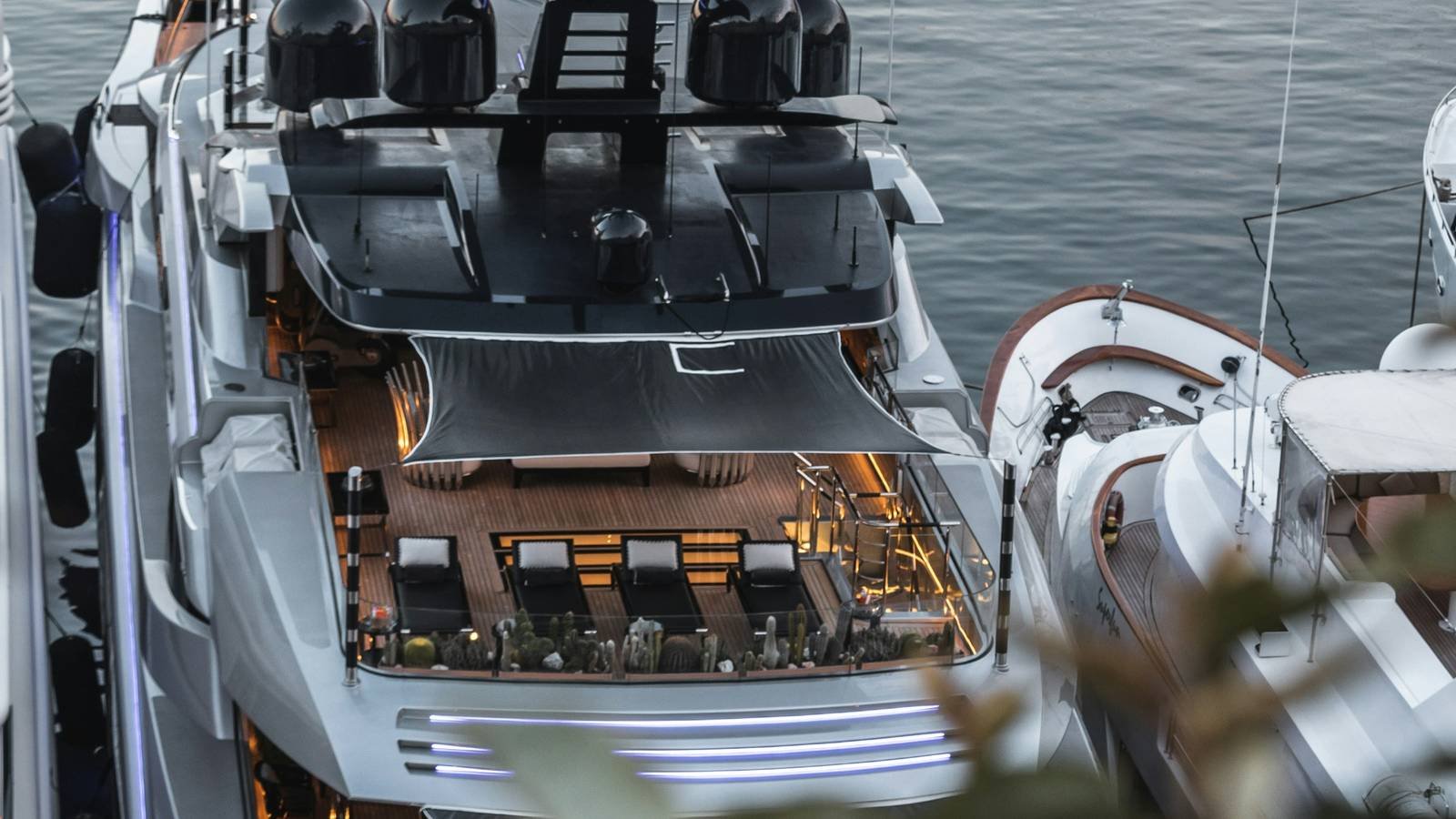
Chartering a yacht is easy. Almost anyone with the budget can book a boat, a captain, and a route for the day. What is considerably harder — and what actually determines whether the day is memorable or merely expensive — is everything that happens before the guests ever step aboard: who the crew is, what they have been told, what has been provisioned, and how the day has been paced around the specific people on the water rather than a generic charter itinerary. That invisible preparation is the real product. The boat is just where it gets delivered.
The crew briefing is where the day is actually designed
A charter yacht typically arrives with a competent, professional crew as standard. What separates an excellent day from an adequate one is what that crew knows before the guests arrive. A briefing that covers who is on board, their relationships to each other, any dietary restrictions or preferences, whether this is a celebration or simply a quiet day, and what kind of pace the group wants — active and social, or slow and undisturbed — lets a crew anticipate rather than react. A crew that has to work this out in real time, guest by guest, spends the first hour of the charter figuring out what a properly briefed crew already knew before the lines were cast off.
This distinction between fully crewed, service-led charters and simply-rented vessels is increasingly what defines the top of the yacht charter market. Crewed charters now account for somewhere between 60% and 82% of total charter revenue industry-wide, reflecting sustained demand for the full-service, hassle-free experience over a bare-boat arrangement (Dream Yacht Sales). The crew, in other words, is not an add-on to the boat — for most charters at this level, the crew is the experience being purchased.
Provisioning is a design decision, not a shopping list
What ends up on board — the food, the wine, the specific small comforts — should reflect the guests, not a standard luxury inventory list applied uniformly to every charter. Current industry reporting on 2026 charter trends notes a clear shift toward provisioning that is both more personalised and more locally sourced: crews building bespoke, wellness-conscious menus from local markets and small vendors rather than defaulting to imported staples, with chefs increasingly capable of building week-long dietary programmes tailored to specific guests rather than generic fine-dining menus (IYC).
Getting this right requires the same thing a good itinerary briefing requires: someone finding out, in advance, what this specific group actually wants to eat and drink, rather than assuming a luxury charter means caviar and champagne regardless of the guests' actual tastes. A well-provisioned yacht day reflects the people on board. A generically provisioned one reflects a brochure.
Route and timing carry the emotional shape of the day
The route a captain chooses is rarely just a matter of the prettiest coastline. A day built around a family with young children needs different timing, different anchorages, and different pacing than a day built around a couple wanting total stillness, or a group celebrating something specific with friends. Lunch at the right hour in the right cove, a swim stop timed to the sun rather than a fixed schedule, a return timed so the day ends at its natural high point rather than trailing off — these are all judgement calls that depend on reading the guests, not following a standard route sheet.
This is also where a properly briefed crew earns its keep again. A captain and crew who understand the occasion can adjust in real time — extending a stop because the group is clearly enjoying it, moving on earlier if the energy has shifted — in a way that a rigid, pre-set itinerary cannot. The best yacht days feel unplanned in the moment precisely because the planning happened well before anyone stepped aboard.
The small things guests feel but never articulate
Ask someone what made a yacht day exceptional, and they will usually describe a feeling rather than a feature — the day felt relaxed, nothing felt rushed, everything just appeared when it was needed. What they are describing, without naming it, is the cumulative effect of dozens of small decisions: towels warmed and ready after a swim, a favourite drink already made without being asked twice, a crew member who noticed someone was cold before they said anything. None of this is expensive to arrange. All of it depends entirely on the crew being properly briefed and genuinely attentive, which is a matter of preparation and culture, not budget.
What we actually arrange
When we coordinate a yacht day or a longer charter for a member, our role sits before the day even begins. We brief the crew on who is travelling and what the occasion is. We work with the chef or steward on provisioning that reflects the guests' actual preferences, sourced and planned with enough lead time to do it properly rather than as a last-minute afterthought. We plan the route and timing around the group's pace rather than a standard charter template, and we build in the same kind of unstructured time that makes any escape experience feel less scripted and more genuinely relaxed. Where discretion matters — a well-known guest, a sensitive occasion, a need for privacy from other vessels or from shore — we handle it quietly, through mooring choices and crew briefing, not through anything that changes the character of the day.
We do not promise a specific vessel or date without confirming availability first, particularly in peak Mediterranean or Caribbean season when the best boats and crews are booked well ahead. What we do promise is that the day is designed around the people on board, not assembled from a generic charter package.
Frequently Asked Questions
What is the real difference between renting a yacht and chartering one properly?
A rented boat gets you on the water. A properly arranged charter is built around who is on board — their pace, preferences, and what they actually want the day to feel like — with the crew briefed in advance and the route, timing and provisioning designed around that, not left to be decided once everyone is already aboard.
Why does crew briefing matter so much for a yacht day?
Because the crew is doing most of the invisible work that makes a day feel effortless — anticipating when guests want quiet versus activity, knowing dietary needs before they're mentioned, timing meals and stops to the group's actual rhythm. A crew briefed properly in advance can do this from the first hour; a crew improvising on the day cannot.
How far in advance should a yacht charter be arranged?
For sought-after boats in peak season — the Mediterranean in July and August, the Caribbean over the winter holidays — several months' notice gives real choice of vessel and crew. Off-peak or more flexible dates can often be arranged with much shorter notice, particularly for repositioning charters.
Does a yacht charter need a security element?
Not always, but where relevant it can be built in quietly — vetted crew, considered mooring choices, discretion around a guest's schedule — without changing the character of the day at all. Most yacht days need none of this; when they do, it should be invisible.
Planning a Yacht Day That Should Feel Effortless, Not Merely Booked?
If your idea of a good day on the water is one where nothing needs to be asked twice, that is exactly what we design for.
Speak With Us in Confidence