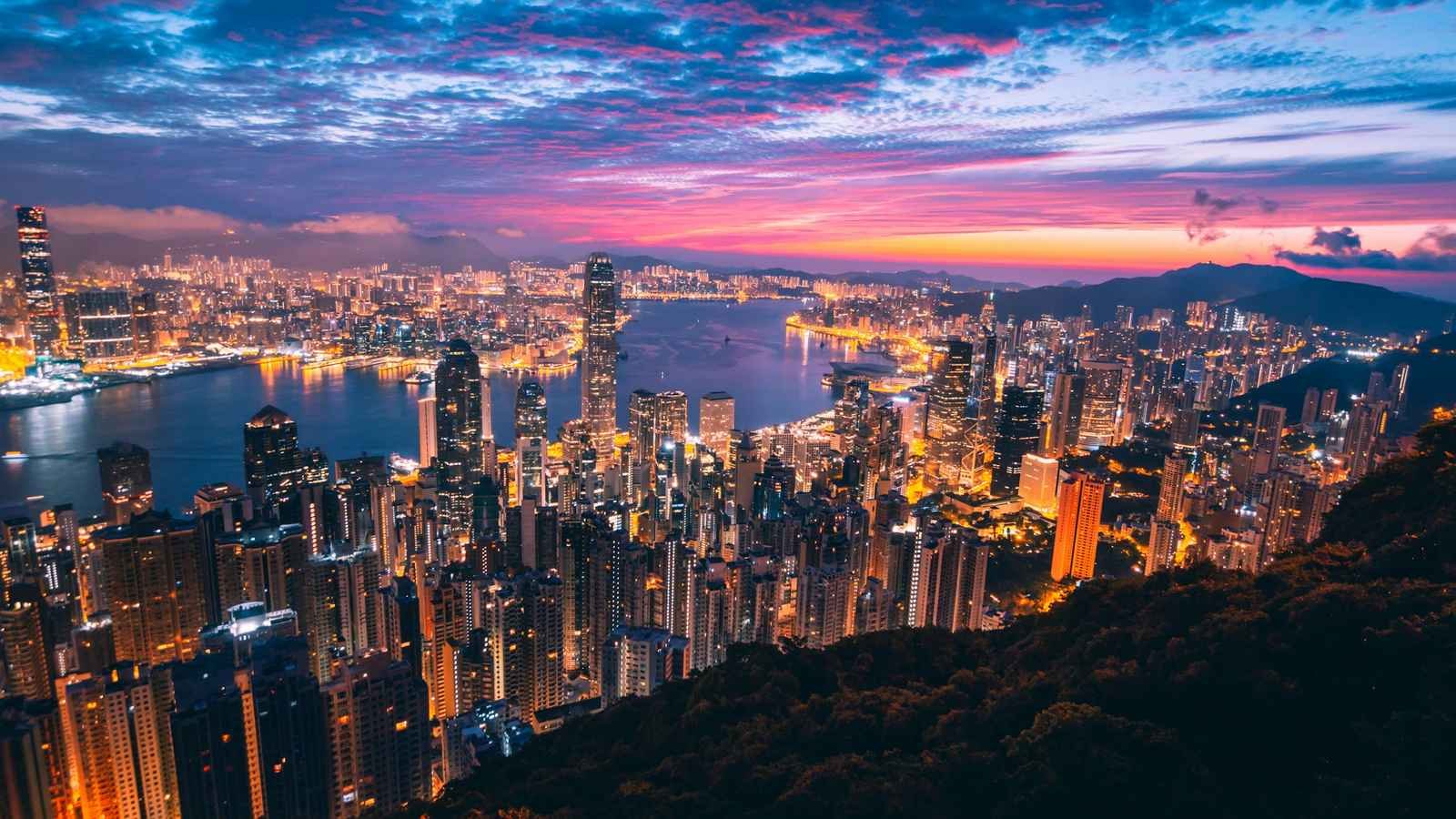
Hong Kong is one of the most densely built, tightly regulated and heavily observed cities in which we work, and that fact shapes the honest answer to "how much does a bodyguard cost in Hong Kong?" more than any rate card does. You are almost never buying protection from street crime here. You are buying permitted, briefed personnel who move a principal cleanly through a vertical city, from the airport at Chek Lap Kok to a hotel on the harbour to a boardroom in Central to a private dinner up the Peak, without friction, delay or exposure. That is what the fee covers, and it is what sets the price.
The Short Answer
For a single, properly permitted close protection officer in Hong Kong, the honest 2026 starting point is the global market base: from USD 900 per day (EUR 850 market base) on twelve-hour cover, before transport and coordination. Hong Kong prices above that base rather than at it, alongside London, New York and the major European capitals, because the lawful pool of permitted officers is small and the city is expensive to operate in. The final figure is shaped by the principal's profile, the threat picture, the location and the season, and is confirmed on enquiry after an individual consultation; it climbs for a higher-profile principal, a compressed timeline, a multi-operative detail or short notice.
A fully coordinated protection day, meaning officer, security-trained driver and vehicle, and the advance work that makes the day run without a hitch, starts from around €1,800 per day and scales with the complexity of the programme.
Those are the numbers. The more useful part is why they sit where they do.
Why Hong Kong Prices Where It Does
Three things put Hong Kong at the top of the band, and none of them is danger.
The permit framework is real and it is narrow. Hong Kong does not have an informal security market that a client can quietly dip into. Under the Security and Guarding Services Ordinance (Cap. 460), supply is restricted at the company level: no person other than a company acting under and in accordance with a licence may supply, agree to supply, or hold itself out as supplying an individual to do security work for another person for reward (Hong Kong Police Force). The individual officer must separately hold a Security Personnel Permit. That two-sided requirement, company licence plus personal permit, shrinks the pool of people who can lawfully stand next to a principal, and a small lawful pool prices accordingly.
The cost of living carries the labour rate. Hong Kong is an expensive city to live in, and the people worth hiring are experienced operators who could work anywhere. Published salary benchmarks for the role in Hong Kong sit well below the day rates quoted above, which is exactly what you would expect and exactly the distinction clients should understand: a salaried guarding wage and a specialist close protection day rate are different products bought from different people. The rate reflects the officer, not the job title.
The city is vertical and access-controlled. Hong Kong is not a city you drive through; it is a city you go up. Buildings have their own security regimes, lift lobbies, tenant floors, private club levels and separate goods routes. Every one of those is a boundary someone must have negotiated in advance, and none of them is solved by a large man in the lobby. The work is access coordination, and it takes time before the day, not muscle during it.
What Actually Moves the Number
Profile and visibility. A principal arriving quietly for private meetings is a different task from one whose movements are known, published or predictable. Visibility is the single largest multiplier on any protection budget, in Hong Kong as anywhere, because it changes the number of people required and the amount of advance work.
Notice. A programme planned three weeks out costs meaningfully less than the same programme arranged in forty-eight hours, and it works better. Short notice buys the officers who happen to be free rather than the officers who are right, and it removes the advance work that makes the difference between a day that flows and a day that is merely covered.
The schedule's shape. Four venues in a day across Central, Kowloon and the New Territories is not one day's work; it is three planning problems with a car in between. Density and cross-harbour movement drive hours, and hours drive the invoice.
Season and event weeks. Hong Kong's calendar concentrates hard. Art Basel Hong Kong, the Rugby Sevens, major financial summits and the auction weeks compress the entire city's supply of good operators, good drivers and good vehicles into the same few days. In those windows the constraint is not price, it is availability, and the people worth having are committed weeks ahead.
The vehicle. A security-trained driver in a suitable vehicle is not a taxi with a better badge. In a city where the route, the drop point and the building entrance are the exposure, the driver is frequently the more important half of the pairing.
The Armed Question, Answered Plainly
The permit categories set out the position clearly. Hong Kong's Security Personnel Permit framework distinguishes Category B work, guarding persons, premises or property where performance does not require the carrying of arms and ammunition, from Category C work, where it does (Security and Guarding Services Industry Authority). Category C is a restricted category and is not a service a legitimate provider offers casually to a visiting principal.
We say this in every market and it is worth repeating here: the presence of a weapon is not a measure of quality, and in a city like Hong Kong it is close to irrelevant to the actual risk. What protects a principal here is knowing the building before they arrive, knowing the route at that hour, knowing where the car will be, and knowing who is expecting them. Anyone selling an armed posture in Hong Kong as a premium option is selling something that does not correspond to how the jurisdiction works.
What a Realistic Day Looks Like
A representative single-principal day in Hong Kong runs something like this. The officer is briefed the day before, not the morning of. The advance has confirmed the hotel's arrival point and which entrance actually works at that hour, has spoken to building security at the two towers on the schedule, and has established where the car can legally and discreetly wait at each, which in Central is a genuine question rather than a formality.
On the day, the principal moves from the airport with the officer and the driver already positioned, into the hotel through the arrangement made rather than the lobby everyone uses. The meetings run. Between them, the car is where it should be. At the restaurant that evening, the table was chosen with sightlines and the exit in mind and nobody at the table knows or cares. Nothing happens, which is the point, and the guest's memory of the day is of a city that was easy.
The budget for that day, honestly stated: from USD 900 per day (EUR 850 market base) for the officer, the vehicle and driver on top, and the coordination that made the sequence work, with the final figure confirmed on enquiry against the profile, the threat picture and the season. Coordinated end to end, from around €1,800.
Where the Money Is Genuinely Wasted
Two ways, consistently.
Buying bodies instead of planning. Three officers on a day that needed one officer and two hours of advance work is the most common overspend in this business. It looks like security and functions as expense.
Buying outside the framework. Engaging someone who is not permitted, or a company that is not licensed, because it is cheaper and someone recommended them, transfers a legal problem onto the client in a jurisdiction that takes its licensing seriously. The saving is small and the exposure is not.
How We Work in Hong Kong
We do not keep a standing office in every city and we do not pretend to. What we hold is a vetted network and a single standard applied to it, so a protection day in Hong Kong is planned the same way, briefed the same way and reported the same way as one in Geneva or São Paulo. The officers are locally permitted, because that is the only lawful way to do it. The coordination is ours, because that is the part that determines whether the day works.
If you are planning a visit to Hong Kong and want a clear, itemised idea of what protection costs to do properly, speak to us. Tell us the shape of the days rather than the number of officers you think you need, and we will scope it against your actual programme and tell you honestly where you need presence and where you do not.
Frequently Asked Questions
How much does a bodyguard cost per day in Hong Kong?
A single, properly permitted close protection officer starts from USD 900 per day (EUR 850 market base) on twelve-hour cover, before vehicle and coordination. The final rate is shaped by the principal's profile, the threat picture, the location and the season, and is confirmed on enquiry after an individual consultation. A fully coordinated protection day, meaning officer, security-trained driver and vehicle, and the advance planning that holds the day together, starts from around €1,800 per day.
Is hiring a bodyguard legal in Hong Kong?
Yes, provided it is delivered through a licensed security company using individually permitted personnel. Under the Security and Guarding Services Ordinance (Cap. 460), no person other than a company acting under a licence may supply individuals to do security work for another person for reward, and each officer must hold a Security Personnel Permit. Freelance protection arranged outside that structure is not lawful supply.
Can bodyguards be armed in Hong Kong?
Not in ordinary practice. The permit framework distinguishes Category B work, guarding persons or property without carrying arms, from Category C work, which requires the carrying of arms and ammunition. Category C is tightly restricted and is not something a legitimate provider offers as a routine option for a visiting principal. Protection in Hong Kong works through planning and positioning.
Do you actually need a bodyguard in Hong Kong?
Rarely for street crime. Hong Kong is a dense, heavily policed, camera-saturated city and most clients engage protection for privacy management around a visible visit, movement coordination across a compressed schedule, event exposure, and continuity with the posture they keep in London, Geneva or New York.
Planning Time in Hong Kong?
Algoz coordinates close protection, secure transport and executive concierge across Hong Kong as one discreet service, scoped against your actual schedule.
Request a Confidential Consultation