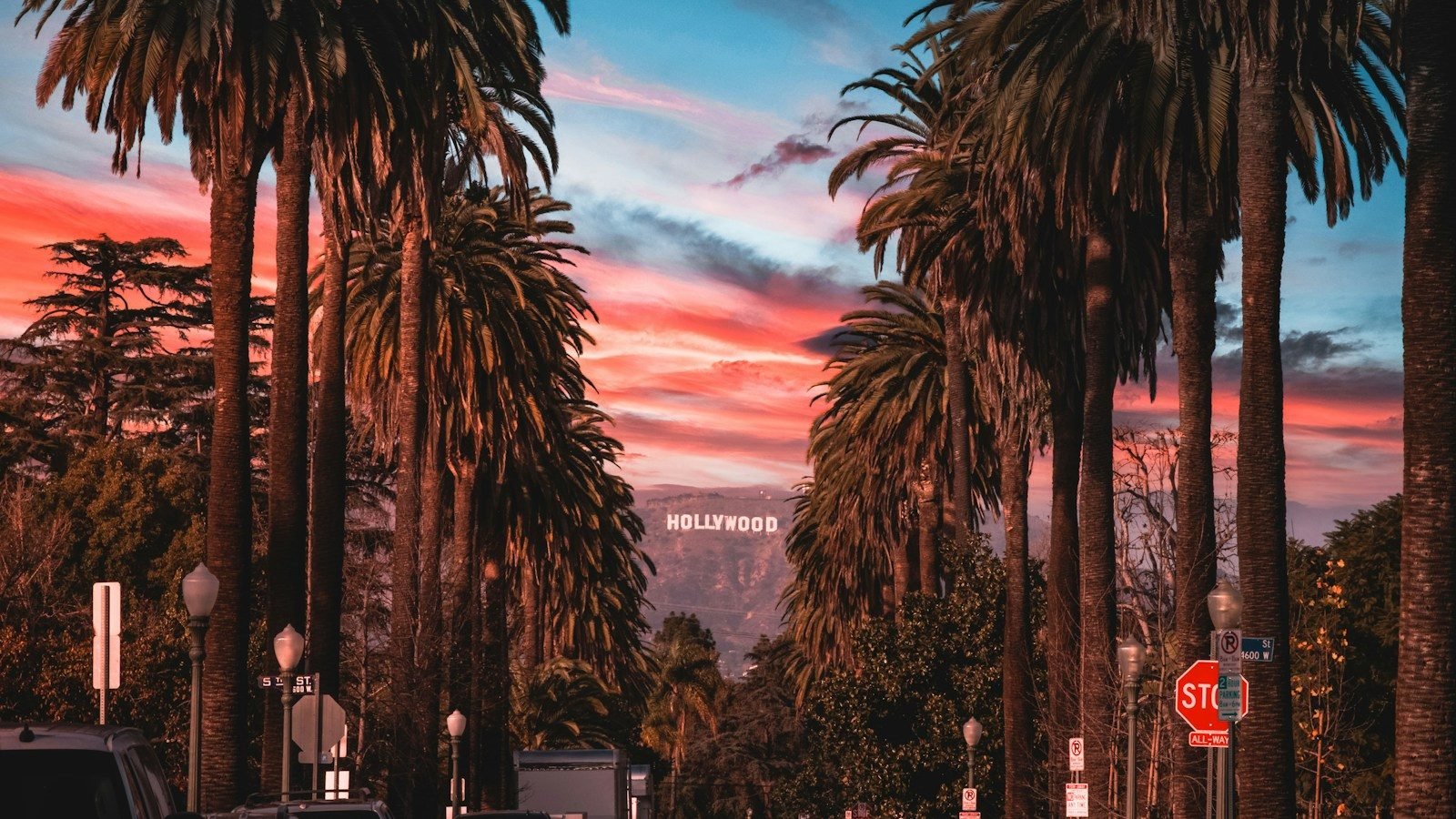
A bodyguard in Los Angeles costs, in practical 2026 terms, roughly $75 to $150 or more per hour for a single executive protection officer at published market rates, which puts a twelve-hour day broadly between $900 and $1,800. With Algoz FZ-LLC, an armed, California-licensed close protection officer in Los Angeles starts from USD 850 per officer per day, with the armed cover included. The briefed driver, the vehicle and the route work are quoted line by line, one figure per line. Those are the numbers. What matters more in this particular city is what the numbers are buying.
What does close protection cost in Los Angeles in 2026?
Los Angeles County has a very large private security sector and a very small protective one inside it. Published 2026 market rates for the city put a single-officer executive protection detail at roughly $75 to $150 or more per hour (Safety Host Unit). Guard-force work is priced well below that band, and the confusion between the two is where most bad hires begin.
A guard-force officer is trained to observe and report. A protective officer is trained to plan a movement, read a room, manage an arrival, work with a driver and get a principal out of a developing situation without anyone noticing that anything was developing. The training, the temperament and the liability are different. Paying guard-force rates and expecting protective work is the most common and most expensive mistake made in this city.
Demand is part of the picture. The same guide, citing The Hollywood Reporter, describes demand for at-home and full-time protection across the Los Angeles celebrity, executive and high-net-worth market as having roughly doubled since 2020. When demand rises faster than the pool of capable officers, the market fills the gap with people who hold a guard card and a business card and very little else.
What licence does a bodyguard need in California?
A bodyguard in California works under a guard registration issued by the Bureau of Security and Investigative Services. An applicant must be at least eighteen, pass a criminal history background check through the FBI and the Department of Justice, and complete power to arrest training before the registration is issued, followed by thirty-two hours of security officer skills training within six months (BSIS). Carrying a firearm on duty requires a separate BSIS exposed firearm permit.
That framework is a floor, not a standard. Nothing in the state requirement addresses protective driving, advance work, medical capability, threat assessment or the judgement to stand in the right place at a premiere. When we build a team in Los Angeles, the licence is the first check and the least interesting one. What follows is the real assessment: protective background, medical currency, how the officer handles a photographer, how they speak to a venue manager, and whether they can spend eight hours being unremarkable.
Are bodyguards in Los Angeles armed?
With Algoz, yes, as standard. Every detail we arrange in Los Angeles is delivered by an officer holding the BSIS guard card and the exposed firearm permit, the armed cover is included in the rate, and there is no unarmed tier. The same applies across the country, as our page on close protection in the United States sets out.
Some places do not admit a firearm, licence or not: airports, federal buildings, courts, schools, theme parks and a number of private venues. There the officer works unarmed under the rules of the place, and the plan for the day allows for it from the start. Armed does not mean visible. In Los Angeles the craft is the opposite: an officer who looks as though they belong in the room.
What moves the price of a bodyguard in Los Angeles?
The officer's background. The single largest lever. Los Angeles has a deep bench of former law enforcement and military personnel, and an equally deep bench of people who hold only the minimum registration. The upper half of the market band buys real protective experience and the judgement that comes with it. The bottom of the band buys presence.
Driving. Los Angeles is a driving city in a way that changes the economics of protection. A single day may include an hour to a studio, an hour back, a canyon route to a residence and an airport run, and those movements are where most of the exposure sits. A security driver and vehicle in Los Angeles is half of the operation here, and removing it to save a line on a quote is usually the worst available economy.
Duty length. Twelve hours is the workable unit. Round-the-clock coverage needs two or three officers in rotation, because tired protection is not protection. A twenty-four-hour posture is therefore closer to two and a half times a day rate once handover and supervision are counted, not double.
Residential versus mobile. A static residential posture and a mobile detail price differently and staff differently. Estate coverage in the hillside and coastal neighbourhoods often blends the two, and they need different people. Buying one and expecting both is a recurring source of disappointment.
Notice. We ask for at least seven days' notice. Shorter notice is looked at case by case, and anything under 48 hours is an urgency case with additional fees and no guarantee of staffing. In Los Angeles the effect is sharper, because the good officers are committed to productions, tours and standing details weeks ahead.
Profile. A quiet private visit is one thing. A premiere, a red carpet, an awards event or anything with a published time and place is another, because the principal's location becomes public information and the media presence becomes a planning factor.
What is a realistic budget for a visit to Los Angeles?
For a typical three-day visit by a single principal with a normal commercial schedule, the honest shape of a budget is one experienced protection officer on a twelve-hour day, a briefed security driver with a suitable vehicle, and a planning allowance for venue and route work before arrival. That is the configuration that works in this city, and it is the one we would propose.
Where families are travelling, the arithmetic changes rather than simply doubling. Dependants moving on separate schedules need their own coverage, because one officer cannot be at a school gate and a studio lot at the same time. Where there is a residence rather than a hotel, a residential element enters the plan, and residential work in the Los Angeles hills has its own particulars: long private driveways, poor mobile coverage in the canyons, contractor and vendor traffic, and neighbours who notice everything.
What we will not do is quote a low headline day rate and discover the rest of the operation as it goes. Every part is quoted once, in full, as its own line, and confirmed before you pay.
What catches visitors out in Los Angeles?
Distance is the schedule. Nothing in Los Angeles is close to anything else, and traffic cannot be absorbed by leaving a few minutes early. A day with four locations across the basin is a day of driving with four short stops in it. Schedules built by someone reading a map rather than someone who drives it collapse by mid-afternoon.
The gate is the plan. Studio lots, private clubs, hotels and gated communities each have their own access regime and their own opinion about outside officers. Advance work settles which gate, which pass, who signs and whether an officer can accompany a principal past a reception desk, before the day rather than during it.
Residential exposure. Much of the risk in this market sits at the address rather than on the street. Empty properties, publicised travel and staff turnover create a standing exposure that daytime protection does not address. Alarm response, camera coverage, a house check routine and a clear procedure for staff and contractors matter more than an extra officer in the vehicle.
Wildfire and evacuation. In Los Angeles a protective plan must also be an evacuation plan. Properties in the wildfire corridors need a route out that is known before it is needed, a decision point for leaving, and someone with authority to make that call while the principal is elsewhere.
Visibility. The visible-muscle model fails badly here. An obvious officer walking a pace behind a principal in a restaurant or a hotel lobby generates precisely the photograph the principal was avoiding. This city rewards officers who hold the right distance and manage an environment instead of performing in it.
What we hold ourselves to
We quote the whole operation rather than a teaser rate. We check the licence, then we assess everything the licence does not cover. We staff to the real duty length instead of stretching one officer past the point of usefulness. We put the driver and the routes into the plan from the beginning, because in Los Angeles the vehicle is where the day happens. We say plainly where a place does not permit firearms and the officer will work unarmed, and we build the plan around it. The measure we hold to in a city built on being seen is simple: everything was handled, and nothing showed.
If you are planning a visit and want protection that is proportionate, quiet and properly costed, our page on hiring a bodyguard in Los Angeles sets out how we arrange it.
Excellence, Discreetly Delivered.
Frequently Asked Questions
How much does a bodyguard cost in Los Angeles in 2026?
Published 2026 market rates in Los Angeles put a single executive protection officer at roughly $75 to $150 or more per hour. With Algoz, an armed, BSIS-licensed close protection officer starts from USD 850 per officer per twelve-hour day, with the armed cover included. The security driver, the vehicle and the advance work are quoted as separate lines.
What licence does a bodyguard need in California?
Private security in California is regulated by the Bureau of Security and Investigative Services. An officer must be at least eighteen, pass a criminal history check through the FBI and the Department of Justice, and complete power to arrest training before registration, then 32 hours of skills training within six months. A firearm needs a separate exposed firearm permit.
Are bodyguards in Los Angeles armed?
Yes, as standard. In the United States, Algoz protection officers are armed and state-licensed, and the armed cover is included in the rate. In Los Angeles that means a BSIS guard card and an exposed firearm permit. Where firearms are barred, such as airports, federal buildings, courts, schools and theme parks, the officer works unarmed.
Why does a bodyguard in Los Angeles need a security driver?
Because Los Angeles is a city of distances. A single day can include a studio, a canyon residence and an airport run, and the transfers are where most of the exposure sits. A briefed security driver with a suitable vehicle protects both the schedule and the principal, and is quoted as a separate line from the officer.
Planning Time in Los Angeles?
Algoz arranges close protection, secure transport and executive concierge across Los Angeles as one discreet service, scoped against your actual schedule.
Request a Confidential Consultation