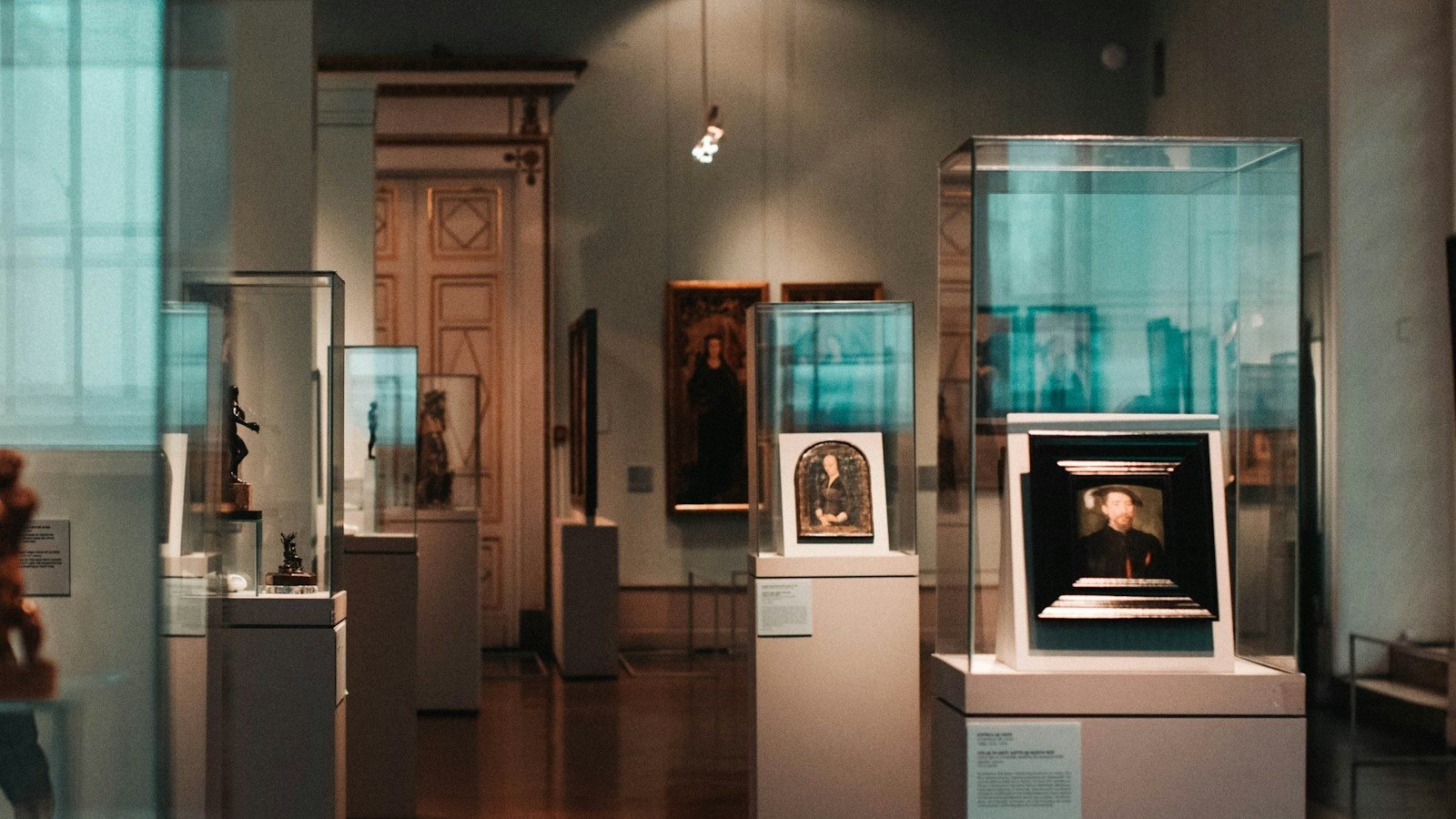
The collector's calendar is the annual circuit of art fairs and auctions that runs from TEFAF Maastricht in the spring, through Art Basel in June, to Frieze London, Art Basel Paris and Art Basel Miami Beach at the close of the year. Algoz FZ-LLC arranges the season around that calendar: the movement between cities, the timing of previews and private viewings, and the discreet transport of whatever is acquired. The collector does the looking. We handle everything else.
For a serious collector, the calendar is a map of where to be and when. For us, it is a logistical score to be played gracefully, so that a person arrives at each moment rested, unhurried and free to do the only thing that matters.
What does the collector's calendar look like across the year?
Spring belongs to Maastricht, where TEFAF sets the tone for historical and classic material, and to a concentrated week of fairs in New York in May, when several run at once and the city becomes, briefly, the centre of the market. Summer is anchored by Art Basel in Basel in June, for many the fixed point of the entire year. Autumn is the busiest passage of all: Frieze London and Frieze Masters in Regent's Park arrive in October almost alongside Art Basel Paris at the Grand Palais, so that within days a collector may reasonably wish to be in two countries. The year closes with Art Basel Miami Beach in December (ARTnews). Layered over the fairs are the major evening auctions at the leading houses, which cluster around the spring and autumn and pull collectors back to London and New York on their own schedule.
The map is also widening into the Gulf. Art Basel Qatar returns to Doha for its second edition from 28 to 30 January 2027 (Art Basel), and the first Frieze Abu Dhabi opens this November at Manarat Al Saadiyat (WAM). For anyone collecting across categories, the practical consequence is the same every year: overlapping dates, competing cities and a diary that will not resolve itself without help.
Why would a collector use a concierge for art fairs and auctions?
It is worth being clear about what a concierge does and does not bring to a collector. We do not bring taste, and we would never presume to. A collector knows their field, the artists, the periods, the galleries and the provenance, with a depth we could not match and would not try to. What we bring is everything around the looking. Preview access that turns on being in the right place at the right hour. Private viewings arranged with a gallery around a specific, standing interest. Introductions coordinated where they are wanted and declined where they are not.
Access at an art fair is better understood as logistics than as privilege. The valuable thing is rarely a door that opens for only a few. It is the timing, the sequencing and the quiet coordination that let a collector be present for the moments that matter across a season spread over several continents. Arrange that well and the collector spends the year concentrating on the work. Arrange it badly and they spend it managing a diary.
How do you attend two art fairs in the same week?
The autumn makes the point most sharply. When Frieze week in London and Art Basel Paris fall within days of one another, a collector with interests in both cities faces a choice that has nothing to do with taste: which previews to attend in person, which viewings to arrange separately, and how to move between the two capitals without losing a working day to travel. A concierge in London and a concierge in Paris working from one schedule hold those two weeks together, each with its private appointments and its evening commitments.
Solved well, the collector attends what matters in both cities and never feels the seam. Solved poorly, they miss a preview because a train was mistimed, or arrive at a viewing distracted and rushed. The value of a season compounds at exactly these pinch points.
How is artwork transported after a fair or auction?
Then there is the part of collecting that begins the moment something is acquired. Fine art transport is a professional field with little tolerance for improvisation. A significant piece bought at a fair or won at auction needs climate-controlled handling, proper condition reporting, insurance arranged against the right value, customs and export formalities observed to the letter and, for works of real importance, security while it is in motion.
Our role is coordination: aligning the right specialist fine art handlers with the collector's own schedule, so that a work bought in Basel in June and a work won in London in October each move on their own correct timeline. Our page on asset transportation sets out how a piece is inventoried, sealed and moved. For a single small object of high value, a watch or a piece of jewellery, a hand-carry courier keeps it with one officer from door to door, in line with the requirements of each jurisdiction it passes through. The measure of success is simple: the collector thinks about the work, and never once about how it travelled.
Can a collecting season stay private?
A collecting season can stay private when privacy is the first principle of the arrangement. For many collectors, the pleasure of the season is partly its quietness: the ability to move between cities, view privately, buy considerately and take possession of a new acquisition without any of it being remarked upon. Discreet travel, private viewings where a gallery can offer them, transport handled without fanfare and any protective support kept firmly in the background all serve that end.
That, in the end, is what we offer a collector: not knowledge of the art, which is theirs, but command of the season around it. The calendar, the cities, the timing, the movement and the careful transport of everything acquired, held together so that the collector is free to do the one thing they came to do.
Excellence, Discreetly Delivered.
Frequently Asked Questions
What does the collector's calendar look like?
It follows a recognisable rhythm. TEFAF Maastricht anchors the spring, New York hosts a concentrated week of fairs in May, and Art Basel in Basel is the June centrepiece. Frieze London and Art Basel Paris fill October, and Art Basel Miami Beach closes the year in December, with major auctions clustered in spring and autumn.
Why would a collector use a concierge for art fairs?
Not for the art, which collectors know far better than any concierge, but for the season around it. Overlapping dates across continents, preview access that turns on timing, private viewings, discreet travel between cities and the compliant transport of acquisitions all need coordinating, so the collector can concentrate entirely on looking and buying.
How is a newly acquired artwork transported after a fair or auction?
Through specialist fine art handlers. A significant piece needs climate control, condition reporting, insurance against the right value, customs formalities and, where warranted, security in transit. Algoz coordinates those specialists and aligns the move with the collector's own travel, so the piece arrives correctly and quietly, with the paperwork handled throughout.
Can attendance and acquisitions at art fairs be kept private?
Yes. Quiet travel between cities, private rather than public viewings where a gallery can offer them, and transport of acquisitions handled without fanfare all keep a collector's movements out of view. Any security or logistical support stays in the background, so a whole season can pass with its only visible trace being the works acquired.
Have the Season Arranged Around You
Access, movement and the discreet transport of your acquisitions, coordinated quietly for the whole of your collecting year.
Speak With Us in Confidence