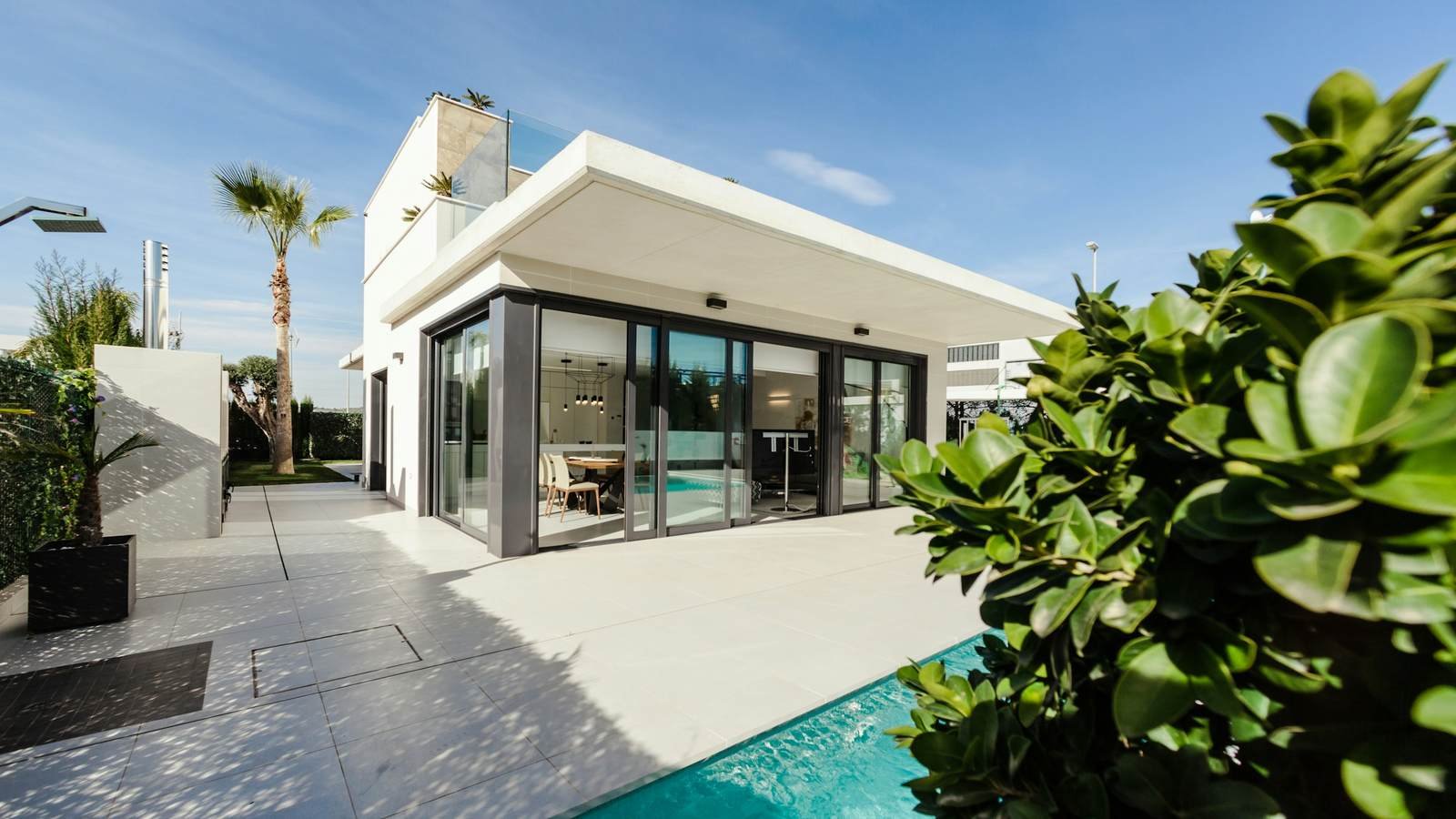
A villa looks the same in a listing whether it has been personally inspected last month or photographed five years ago and never checked since. That gap, between what a listing promises and what a property actually delivers on arrival, is exactly where a rental can go wrong for a member who has no way of knowing the difference until they are standing in the driveway. Closing that gap, reliably, is most of what we actually do when we arrange a villa or property rental. The listing is a starting point. The standard we hold is what happens between the listing and the arrival.
Why villas, and why now
The shift toward private villas over hotel suites among high-net-worth travellers has become one of the clearest patterns in luxury travel through 2026. Recent industry reporting describes billionaires and centi-millionaires travelling more slowly, staying longer, and consistently choosing fully staffed private villas over even the most exclusive hotel accommodation, wanting, as the reporting puts it, "a front door, not a front desk" (Haute Retreats). Privacy has become the amenity that matters most to this group, and a staffed villa or off-market estate delivers a degree of control over space, staff, and discretion that no hotel lobby can replicate, however good the hotel.
That preference brings its own risk, though. A hotel brand carries a consistent standard across every property bearing its name. A villa does not: every property is effectively a one-off, with its own owner, its own staff, its own maintenance history, and its own gap between how it photographs and how it actually functions. The rise in villa demand has made vetting more important, not less, precisely because there is no brand standard doing that work automatically.
What vetting a property actually means
For a property to be offered to a member, someone needs to have verified it recently and thoroughly, not relied on photographs supplied by an owner or an agency with an obvious incentive to present the property at its best. That verification covers the physical condition of the property against what is advertised, the reliability and quality of connectivity and utilities, the state of the pool, kitchen equipment and air conditioning, and less glamorous but equally important matters: how secure the perimeter actually is, how far the nearest reliable medical facility is, whether the property's access road is passable in poor weather.
It also covers the staff, where staff are part of the arrangement. A villa with excellent architecture and mediocre staff delivers a mediocre stay regardless of how the property photographs. Verifying that a housekeeper, chef, or estate manager is not just present but genuinely good at their role, responsive, discreet, capable of anticipating a guest's needs rather than waiting to be instructed, is as much a part of vetting a villa as checking the roof for leaks.
Staffing shapes the entire experience of the property
A villa with a strong staff feels like a home being looked after on a guest's behalf. A villa with weak or absent staff feels like an empty building a guest happens to be occupying. The difference is almost entirely about anticipation: a good estate manager or housekeeper notices that the pool towels need refreshing before a guest asks, understands which rooms to keep cool and which to leave be, knows how to run a household so that a family staying there for three weeks never has to think about how it runs.
This mirrors the broader trend toward multi-generational and longer-stay villa travel, where properties are increasingly programmed like boutique private resorts: wellness schedules, in-villa events, coordinated activities for guests spanning several generations under one roof. That kind of programming is only possible with genuinely capable staff already in place, briefed properly on who is coming and what the stay is meant to achieve, well before the first guest arrives.
Provisioning: making the property feel inhabited, not rented
The single fastest way to make a villa feel like a rental rather than a home is to leave provisioning generic: a standard welcome basket, a stocked minibar with no relationship to what the guests actually drink, a kitchen prepared for nobody in particular. Provisioning done properly starts with the same preference-gathering that underpins any well-designed private travel itinerary: what does this family eat, what allergies or restrictions matter, what small comforts, a specific coffee, a favourite spirit, a preferred brand of something ordinary, make a space feel like theirs rather than a stranger's.
Done well, a guest arrives to a kitchen that already reflects how they actually eat, a bar stocked with what they actually drink, and a house that has clearly been prepared for them, not prepared generically and left waiting for whoever happened to book it. That is the difference between checking in and coming home, and it costs planning time, not necessarily money.
Booking timelines are getting longer, not shorter
Advance booking windows for the most sought-after villas have lengthened meaningfully. Current reporting indicates high-net-worth families are now typically securing peak-week stays in destinations like Tuscany, Lake Como, Costa Rica, and Turks & Caicos six to eight months ahead of arrival, reflecting both rising demand for private villas generally and increasingly limited inventory of properties that genuinely meet a high standard (Spear's). Waiting until a few weeks before a peak-season trip materially narrows the choice of properties that have actually been vetted to the standard we would put a member's name to, which is one of the more practical reasons early planning matters, beyond simple convenience.
Discretion is part of the property, not an afterthought
For members who need it, discretion is built into how a property is selected and prepared, not layered on visibly afterward. That can mean choosing a property with genuine physical privacy from neighbouring plots and public roads, briefing staff on confidentiality before arrival rather than after an issue arises, or simply choosing a location where a guest's presence will not become a matter of local conversation. None of this changes how the villa looks or feels to the guest. It changes what happens around them, quietly, so the stay itself remains about rest and time with family, not about managing exposure.
What we do not promise
We do not offer a property we have not verified to our own standard, regardless of how it photographs or how favourably it is priced. We do not promise availability of a specific villa without confirming it directly with the owner or manager first, particularly in peak season when the best properties are booked far ahead. What we do promise is that any villa carrying our recommendation has been checked, its staff assessed, and its provisioning planned around the specific people staying there, not assembled from a generic listing and hoped for the best.
If you are planning a stay that should feel like arriving somewhere genuinely prepared for you, we would be glad to help. Visit algozgroup.com or explore our executive concierge service to see how we hold properties to this standard.
Frequently Asked Questions
What actually gets checked before a villa is offered to a member?
The property itself, in person or through a trusted, recently-verified source, not just photographs. That covers the physical condition, the accuracy of the listing against reality, the quality and reliability of the staff, and practical matters like connectivity, water pressure, security of the perimeter, and proximity to services that matter if something goes wrong.
Why are members choosing private villas over five-star hotels?
Industry reporting through 2026 points to privacy becoming the dominant luxury preference among high-net-worth travellers. A fully staffed villa offers a level of control over space, staff and discretion that even the best hotel suite cannot, and increasingly guests are choosing that control over hotel convenience.
How far ahead should a peak-season villa be booked?
For the most sought-after regions and properties, Tuscany, Lake Como, the Caribbean, Costa Rica in their respective peak windows, six to eight months ahead is increasingly standard for securing the best dates and properties, in line with current UHNW booking patterns.
What does provisioning a villa actually involve?
Stocking the property before arrival with the specific food, drink, and everyday items a guest actually wants, based on preferences gathered in advance, not a generic welcome hamper, so the first hours in the property feel like arriving home rather than arriving at a rental.
Planning a Stay That Should Feel Like Coming Home?
If you want a property that has actually been checked, staffed, and prepared for you rather than simply listed, that is exactly what we arrange.
Speak With Us in Confidence